
On 21 July 2026, the Forestry Commission of Ghana, which is the focal point of the Global Timber Index (GTI) in Ghana, convened a one‑day forum on strategic partners in Kumasi, with support from the International Tropical Timber Organization (ITTO) and the Global Green Supply Chains Initiative (GGSC). The forum brought together stakeholders to discuss opportunities, challenges, and emerging trends in the timber industry. The main highlights of the forum are as follows, with the original news link at: https://gna.org.gh/2026/07/timber-industry-players-convene-to-strengthen-partnerships-for-sustainable-growth/
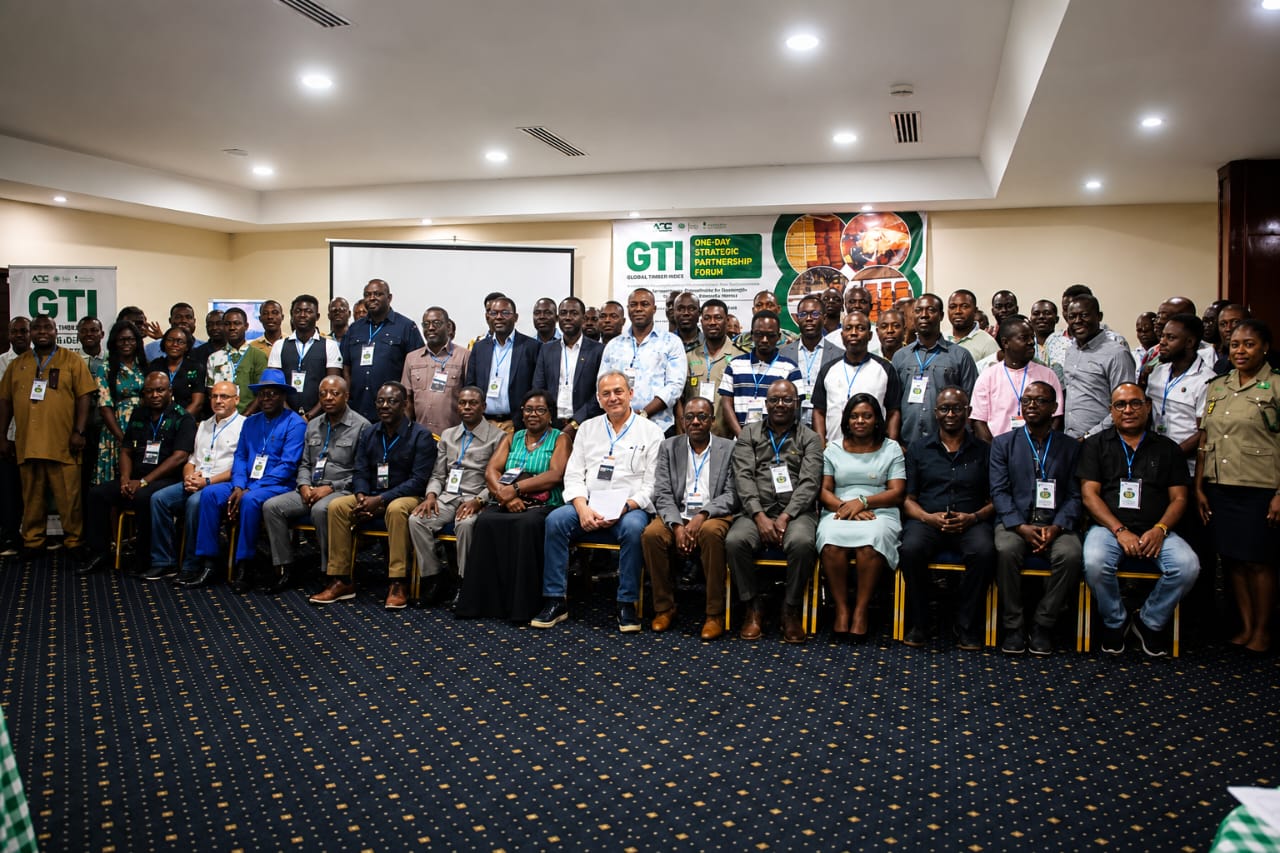
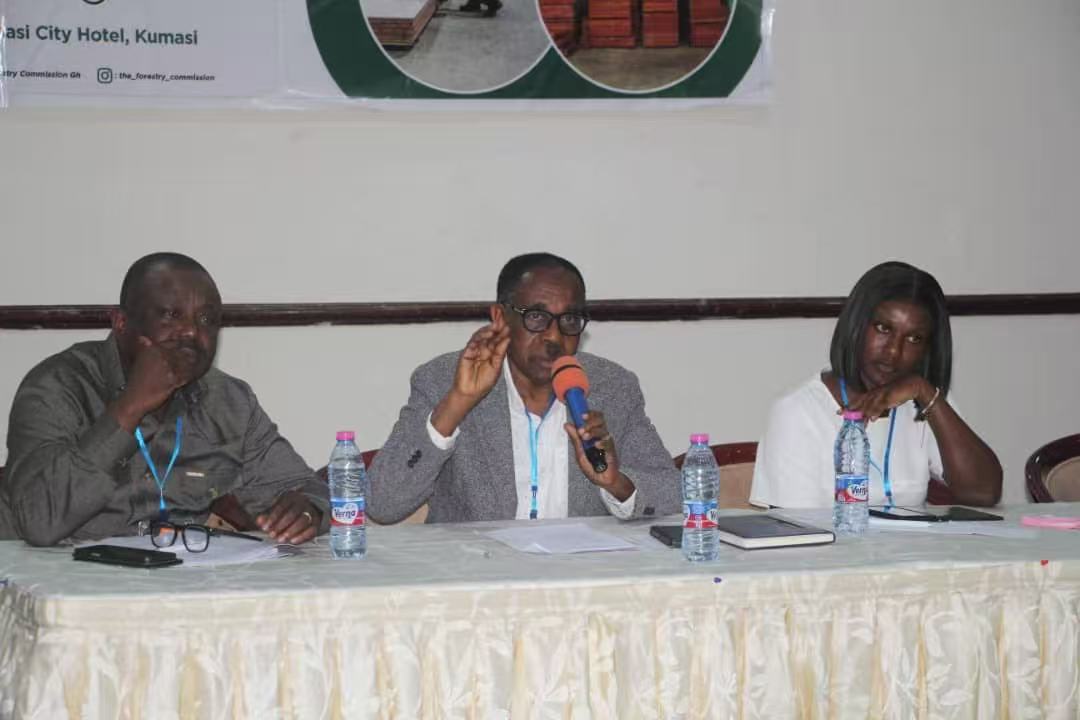
Kumasi, July 23, GNA – Stakeholders across Ghana’s forestry and timber value chain have met in Kumasi to discuss opportunities, challenges and emerging trends shaping the industry, with the aim of strengthening partnerships for sustainable growth.
The one-day forum was organised by the Forestry Commission in collaboration with the Global Timber Index Platform, an initiative of the International Tropical Timber Organization (ITTO), to promote sustainable forest management.
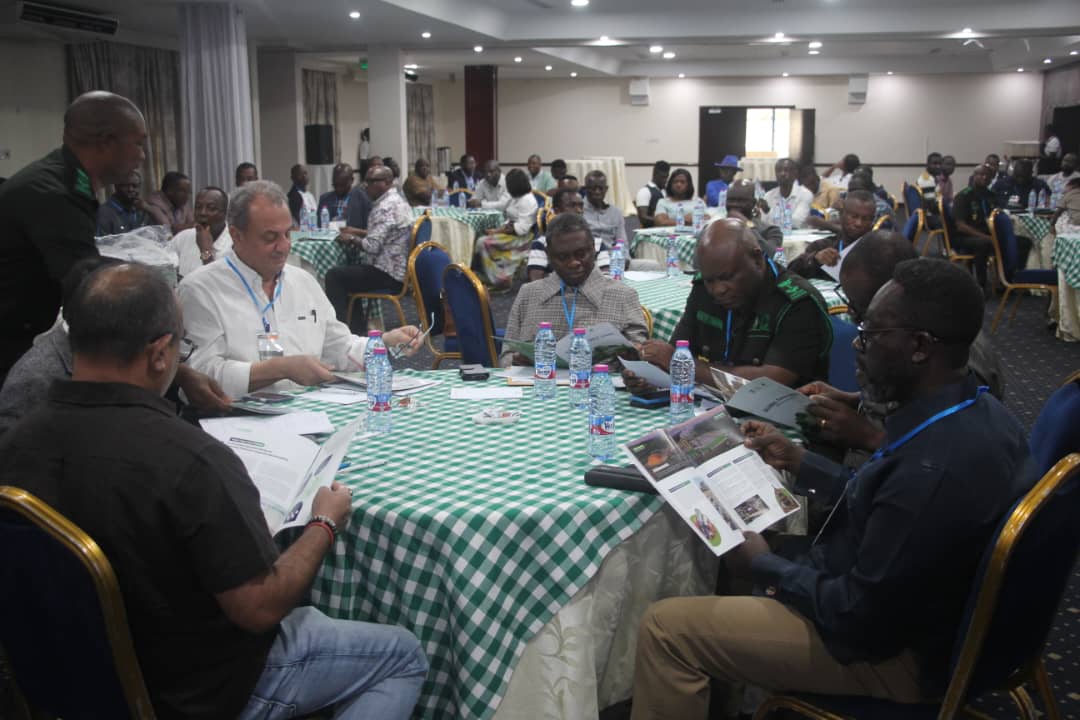
The forum brought together regulatory agencies, timber processing companies, forest plantation developers, exporters, trade associations and development partners to identify practical interventions that would enhance Ghana’s competitiveness in the international timber market.
It also sought to promote innovation, investment, value addition, improved governance and sustainable forest management, while exploring collaborative approaches to expanding a green supply chain that supports legal, traceable and environmentally sustainable timber products capable of meeting evolving international market requirements.
Dr Richard Gyimah, Executive Director of the Timber Industry Development Division of the Forestry Commission, said the global timber trade was undergoing significant transformation, with markets demanding higher standards of legality, sustainability, traceability, environmental stewardship and social responsibility.
He said consumers were becoming increasingly concerned about the origin of timber products, while governments and international buyers continued to strengthen regulations governing forest products entering their markets.
According to him, these developments presented both opportunities and responsibilities for Ghana as one of Africa’s leading producers and exporters of tropical timber.

Dr Gyimah said Ghana had earned international recognition for its commitment to sustainable forest management, responsible forest governance and legal timber production, but maintaining and strengthening that position required continuous innovation, investment, institutional collaboration and strategic partnerships.
He noted that climate change, deforestation, biodiversity loss, illegal logging, changing consumer preferences, supply chain disruptions and increasingly stringent international regulations demanded coordinated rather than fragmented responses.
Dr Gyimah said greater attention must be paid to value addition, explaining that although Ghana had exported significant volumes of primary timber products over the years, there remained enormous opportunities in downstream processing and manufacturing.
“By investing in furniture production, engineered wood products, prefabricated building materials and interior furnishing products, Ghana can create more jobs, increase export revenue, strengthen local industries and improve economic resilience,” he said.
Dr Gyimah reaffirmed the Forestry Commission’s commitment to promoting sustainable forest management through effective regulation, plantation development, forest restoration, biodiversity conservation and the responsible utilisation of forest resources.
| E-mail:ggsc@itto-ggsc.org | Tel:86-10-66095281 |


Sigh Up for Emails |
|